
Cart
0
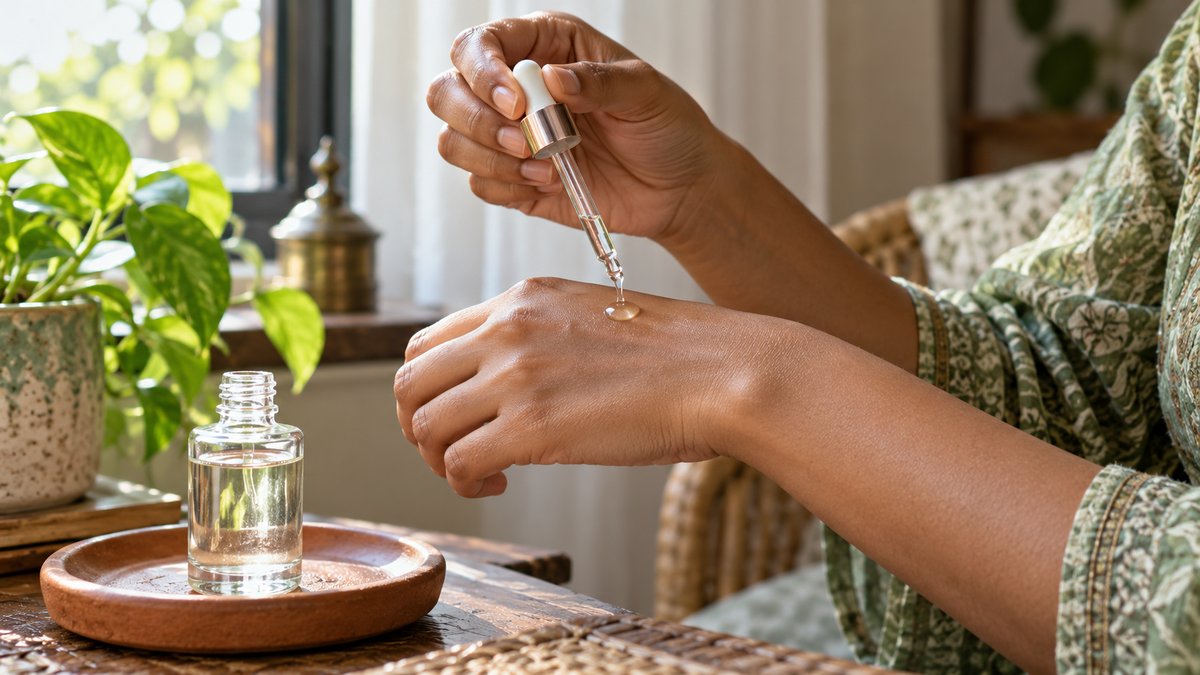
Quick answer: Bio-collagen is a skincare label used for several different ingredients, including biotech collagen, hydrolysed collagen and collagen-like alternatives, so the name alone does not identify the source. Check the ingredient list and brand details; topical collagen mainly hydrates and smooths the surface rather than replacing the collagen in deeper skin.
Walk through any beauty aisle, or scroll any shopping app, and you'll see "bio-collagen" on face masks, creams and serums. It sounds scientific and premium. But what does it actually mean? Is it different from regular collagen? And what can it really do for your skin?
Here's a plain-English guide, without the marketing gloss.
First, What Is Collagen?
Collagen is the most abundant protein in your body. In your skin, it forms a supportive network in the dermis (the deeper layer), giving skin its firmness and structure. Elastin, another protein, gives it bounce.
Your body makes its own collagen. From your mid-twenties, production gradually slows down, and factors like sun exposure, smoking and poor sleep speed up its breakdown. That's part of why skin becomes less firm with age.
So What Is "Bio-Collagen"?
"Bio-collagen" isn't a strict scientific or regulated term. Brands use it in a few different ways:
- Collagen made using biotechnology. Some collagen ingredients are produced through fermentation or lab processes rather than extracted directly from animals.
- Hydrolysed collagen or collagen peptides. Collagen broken down into smaller pieces that are easier to formulate with.
- Collagen-like or "vegan collagen" ingredients. Plant-based or synthetic ingredients designed to mimic some of collagen's properties.
- A marketing name for a product range, especially popular with Korean-style hydrogel masks.
Because the term isn't standardised, the ingredient list tells you more than the name. Look for words like "collagen", "hydrolyzed collagen", "soluble collagen" or "collagen peptides" (sometimes listed as "oligopeptide" or "palmitoyl tripeptide").
Where Does the Collagen Come From?
Collagen in skincare can come from several sources:
- Marine (fish) collagen, from fish skin or scales
- Bovine or porcine collagen, from cows or pigs
- Recombinant or biotech collagen, produced by microorganisms through fermentation
- Plant-based "collagen" alternatives, which aren't true collagen but aim to mimic its effects
If source matters to you, for dietary, religious or ethical reasons, check the brand's information or contact them. We compare the main options in marine vs plant collagen.
What Does Collagen Do When You Put It on Your Skin?
This is where expectations need resetting.
What topical collagen does: - Hydrates. Collagen molecules hold water and form a film on the skin's surface, reducing moisture loss. - Smooths. That film makes skin feel softer and look smoother. - Collagen peptides (smaller pieces) may help skin feel more supple, and some peptides are studied as "signal" ingredients.
What topical collagen doesn't do: - It doesn't replace or rebuild your skin's own collagen. Whole collagen molecules are too large to reach the dermis. - It doesn't permanently remove wrinkles.
So the honest summary is: collagen in skincare is a good hydrator and skin-softener, not a structural repair kit. For the full evidence, see does topical collagen work?.
Why Bio-Collagen Masks Are So Popular
The "bio-collagen mask" trend took off with hydrogel overnight masks from Korea. Their appeal comes from a few things:
- Hydrogel format: holds serum against the skin for hours
- Visible change: the mask turns from cloudy to clear as serum absorbs
- Real hydration: skin feels noticeably plumper by morning
- Low effort: you sleep in it
The collagen in these masks contributes to the hydration and smooth feel, alongside other ingredients like hyaluronic acid and glycerin. Curious about the clearing effect? See why collagen masks turn clear.
Supporting Ingredients Matter Too
A collagen mask is only as good as its full formula. Ingredients that often appear alongside bio-collagen:
| Ingredient | Role |
|---|---|
| Hyaluronic acid | Draws water into the skin |
| Glycerin | Humectant |
| Niacinamide | Tone, barrier support, oil balance |
| Centella asiatica | Calming |
| Ferments (e.g. galactomyces) | Smoother, more radiant look |
| Panthenol | Soothing, hydrating |
How to Spot a Good Bio-Collagen Product
- Collagen or collagen peptides appear in the ingredient list, not just the name.
- Humectants like hyaluronic acid or glycerin are included.
- No heavy fragrance if your skin is sensitive.
- Honest claims. "Hydrates and smooths", not "rebuilds collagen".
- Clear usage instructions.
Who Benefits From Bio-Collagen Products?
- Dry or dehydrated skin, for the hydration
- Dull, tired skin, for a fresher morning look
- Mature skin, for comfort and a smoother look alongside proven actives
- Anyone wanting an easy, relaxing hydration step
Reading a Bio-Collagen Ingredient List
Ingredient lists (often labelled "INCI") are written in a standard international format, which can look intimidating. A few tips:
- Ingredients are listed in descending order of concentration, down to about 1%. After that, they can appear in any order.
- "Aqua" or "water" usually comes first in hydrogel masks, because the serum is mostly water.
- Collagen may appear as "Hydrolyzed Collagen", "Soluble Collagen", "Collagen" or "Atelocollagen".
- Peptides often have names like "Palmitoyl Tripeptide-1", "Oligopeptide-1" or "Acetyl Hexapeptide-8".
- Hyaluronic acid may appear as "Sodium Hyaluronate" or "Hydrolyzed Hyaluronic Acid".
- Niacinamide is listed as "Niacinamide".
- Galactomyces appears as "Galactomyces Ferment Filtrate".
- Centella appears as "Centella Asiatica Extract" or as its active parts, like "Madecassoside".
- Gel-formers such as "Carrageenan", "Ceratonia Siliqua (Locust Bean) Gum" or "Agar" create the hydrogel structure.
- Fragrance appears as "Parfum" or "Fragrance". Worth noting if your skin is sensitive.
You don't need to memorise these. Knowing where to look for the ingredients you care about makes comparing products much easier.
Common Myths About Bio-Collagen
"It's the same as taking collagen supplements." No. Supplements are digested and work very differently. Topical collagen works on the skin's surface.
"The more collagen, the better." Not necessarily. The full formula, especially humectants and supporting ingredients, matters as much as the collagen content.
"It's only for older skin." Anyone with dry, dehydrated or dull skin can enjoy the hydration.
What Still Matters More
If your goal is long-term firmness and fewer lines, these do more than any collagen product:
- Daily sunscreen, which protects existing collagen from UV damage
- Retinoids, which are well-studied for supporting the skin's own collagen production
- Vitamin C, which your body needs to make collagen
- Not smoking, sleeping well, eating enough protein
Use collagen products as a comfortable hydration step on top of these basics.
Our Bio-Collagen Mask
The Nova Bloom Bio-Collagen Overnight Glass Skin Mask is a two-piece hydrogel that pairs collagen peptides with hyaluronic acid, niacinamide, galactomyces and centella. It's free from parabens, sulphates and alcohol. We describe it as what it is: a deep hydration mask that leaves skin softer and smoother by morning.
Frequently Asked Questions
Is bio-collagen vegan?
It depends on the product. Some use animal-derived collagen; others use biotech or plant-based alternatives. Check with the brand.
Is bio-collagen better than regular collagen?
Not necessarily. It depends on the specific ingredient and formula. The term isn't standardised.
Can bio-collagen reverse ageing?
No. It hydrates and smooths. Sunscreen and retinoids are better long-term tools.
Is bio-collagen safe for sensitive skin?
Collagen itself is generally well tolerated. Reactions usually come from other ingredients in the formula, such as fragrance or preservatives. Patch test any new mask on your jawline first.
How often should I use a bio-collagen mask?
One to three times a week suits most people. Dry skin may like three; oily skin often prefers one or two shorter sessions.
Our peptides in skincare guide distinguishes collagen-derived ingredients from specifically studied signal peptides.
Sources
- Collagen: What It Is, Types, Function & Benefits – Cleveland Clinic
- Fragrance allergy – DermNet
Experience bio-collagen hydration for yourself. Try the Nova Bloom Bio-Collagen Overnight Mask for ₹299, with cash on delivery available.

