
Cart
0
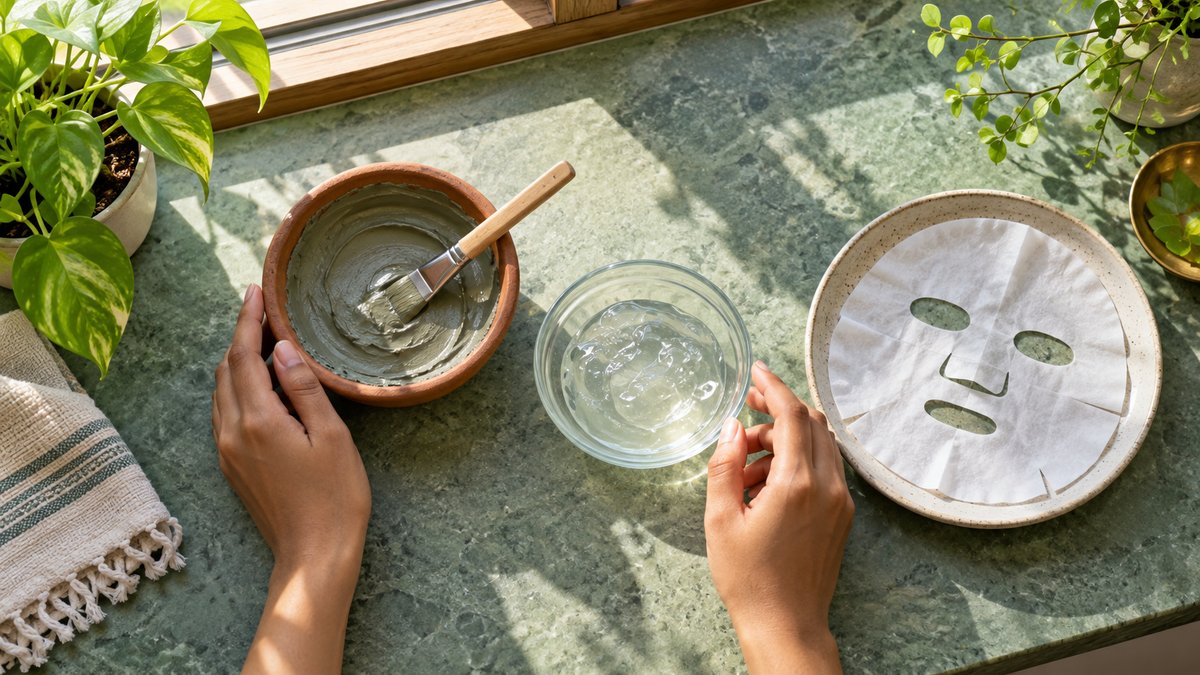
Quick answer: The best face mask for oily skin in India depends on the job: clay for temporary oil absorption, or a lightweight hydration-focused hydrogel or gel when skin feels tight. Use products by area and follow their own timings. Avoid stripping the whole face or stacking exfoliating treatments, and seek appropriate care for persistent acne rather than relying on masks.
An oily forehead creates one shopping question; tight cheeks create another. Buying the strongest oil-control mask for the whole face can ignore half the problem. Start with what you notice after washing and through the day, then choose a category that matches it.
Nova Bloom sells a hydrogel mask, so this guide has a commercial interest. We compare types by purpose, including situations where clay or no mask makes more sense. There is no universal winner for every oily face, and a cosmetic packet should not become a substitute for acne treatment.
Decide whether the problem is oil or discomfort
Look at the skin before applying another treatment. Shine without soreness, tightness after cleansing and inflamed spots are different observations. They do not automatically call for the same mask.
Our dry versus dehydrated skin guide explains why surface oil does not tell the whole hydration story. If washing leaves your face tight, review that habit first. If acne is painful, persistent or leaving scars, seek treatment advice. A buyer's guide can help compare cosmetic formats, but it cannot identify the cause of a rash or tell you which medicine to use from a photograph.
Compare the mask types by their main job
Read the formula as well as the category. A gel with exfoliating acids is different from a plain hydration gel, even when both feel lightweight.
| Type | Main reason to consider it | Main caution |
|---|---|---|
| Clay | Temporary surface oil absorption | Avoid unnecessary use on dry zones |
| Lightweight hydrogel | A fitted hydration session | Follow its specific wear instructions |
| Hydrating gel | A spreadable lighter-feeling extra | Check fragrance and actives |
| Exfoliating mask | A deliberate exfoliation step | Avoid overlap with existing treatments |
| Rich cream mask | Selected dry areas if suitable | Do not assume the whole face needs it |
Use the table to reject poor matches before comparing packaging, discounts or the number of ingredients on the front.
Clay makes sense when oil absorption is the goal
AAD facial-mask guidance identifies clay ingredients such as kaolin and bentonite as oil-absorbing options. That is a limited cosmetic role, not a claim that clay cures acne or permanently shrinks pores.
Choose a formula with clear timing and removal directions. Apply only where the product is suitable and avoid raw, broken or irritated skin. Do not leave clay on until it feels painfully tight or cracks dramatically. That sensation is not a reliable measure of results. If the cheeks do not need oil removal, keep the product off them instead of adding a second mask afterwards to undo discomfort.
Lightweight hydrogel answers a hydration question
A hydration-focused hydrogel is a different tool from clay. Consider it if you enjoy a fitted sheet and want an extra hydration evening, provided the formula suits your skin. It does not absorb oil simply because the surface looks less shiny after removal.
Check the complete ingredient list and how the product fits around the nose and mouth. Our collagen-mask guide for oily skin covers the collagen category in detail. This comparison keeps the buying decision broader: do you need oil absorption, hydration or neither? Do not buy a long-wear sheet if you prefer a short wash-off routine and will struggle with its instructions.
Hydrating gels need the same label scrutiny
Clear appearance and a cool feel do not guarantee that a gel is suitable for sensitive or acne-prone skin. Look for the labelled purpose, wear time and removal method rather than assuming every gel can stay on overnight.
Check whether it contains exfoliating acids already present in your routine. Review fragrance if it has caused trouble before. A non-comedogenic claim is a useful shopping clue, not an assurance that every person will avoid breakouts. Buy a small quantity where possible and observe the actual formula. If the skin stings or becomes itchy, stop instead of concluding that a light texture must be harmless.
Keep exfoliation separate from casual hydration
An exfoliating mask deserves an intentional place in the routine. It is not an automatic add-on to clay, a scrub and an active serum because all four appear in oil-control recommendations.
- Review the active products you already use.
- Check prescribed treatments with your clinician.
- Avoid adding several new formulas together.
- Follow each product's frequency instructions.
- Leave irritated areas out of cosmetic experiments.
Do not apply a new exfoliating mask before a wedding or interview. A first trial needs time to assess the response, not pressure to achieve a smoother-looking face by the next morning. More treatment categories do not necessarily create better control.
Where Nova Bloom fits, and where it does not
The Nova Bloom Bio-Collagen Overnight Glass Skin Mask is a single-use, two-piece hydrogel. It is a hydration option, not an acne treatment or a substitute for clay when oil absorption is the job you want.
Apply to clean, dry skin after toner if used, fit the pieces and press out air. Wear overnight or for 3–4 hours until transparent. Peel, pat in serum without rinsing and moisturise. Use 1–3 times weekly, on separate nights from strong AHA/BHA and retinoids. Remove and rinse if irritated. If a long session or sheet format does not appeal, choose a different category rather than buying ours simply because this is our site.
Combine jobs by zone or separate evenings
You do not need to wear two masks at once. If the nose needs oil absorption but cheeks feel dry, use the appropriate product only on the relevant zone, following placement directions. A hydration session on another evening is easier to assess than several new products together.
Our clay versus hydrogel comparison explains their different roles. Avoid layering clay underneath a sheet or using two products with conflicting removal instructions. Keep any new pairing conservative and stop if it irritates. Multi-masking should solve a specific mismatch across the face, not create a requirement to buy a mask for every small area.
Do not strip the routine between mask days
AAD oily-skin advice includes moisturising and avoiding harsh cleansing. A mask choice should sit inside that routine, rather than excuse repeated washing for the rest of the week.
Keep a light tolerated moisturiser in use and follow daytime sunscreen directions. Blot excess shine gently if needed instead of doing another full wash at the desk. If your regular cleanser leaves skin sore, address it before expecting a mask to compensate. The most useful purchase could be a better daily texture, especially when the occasional treatment feels pleasant but every ordinary evening still ends in tightness.
Check value without inventing a ranking
Compare cost per session, pack size, shipping and whether the format fits your schedule. For jars, do not assume an exact number of uses without knowing how much the instructions require. For single-use sheets, include each packet in the recurring budget.
- Prefer readable directions over vague detox promises.
- Check batch and expiry information.
- Avoid buying a bundle before a first trial.
- Keep money for daily essentials and needed care.
- Reject promises of permanent pore removal.
A highly rated mask with missing instructions remains a poor choice. Reviews can describe fit or texture, but they cannot establish that the same product will suit your skin or treat your acne.
Judge the result after a proper trial
Introduce one new mask at a time on skin that is not already irritated. Follow wear and removal directions exactly. Note whether it added useful oil control or a pleasant hydration step, and whether the effect justified the effort.
For mixed zones, use the combination-skin mask guide. If breakouts or a rash persist, seek assessment instead of rotating through stronger masks. Stop any product that causes significant irritation. Your final shortlist can be short: clay for a specific oily zone, a suitable lightweight hydration format for another need, or no extra product while the daily routine is being sorted out.
Frequently Asked Questions
Should oily skin always choose clay?
No. Choose clay for oil absorption where needed. Tightness, irritation or a dry cheek calls for a different decision.
Can I use clay and hydrogel on the same night?
Do not make this automatic. Separate sessions are easier to assess, and the products' directions and your skin's tolerance should govern any combination.
Can a mask clear persistent acne?
A cosmetic mask is not a substitute for acne treatment. Seek advice for persistent, painful or scarring acne instead of extending mask time.
Sources
- Do facial masks work, and should I add one to my skin care routine? – American Academy of Dermatology; clay and lightweight hydration categories.
- How to control oily skin – American Academy of Dermatology; gentle daily care for oily skin.
Match the mask to the job. Explore the Nova Bloom Bio-Collagen Overnight Mask, ₹299 with cash on delivery available.
