
Cart
0
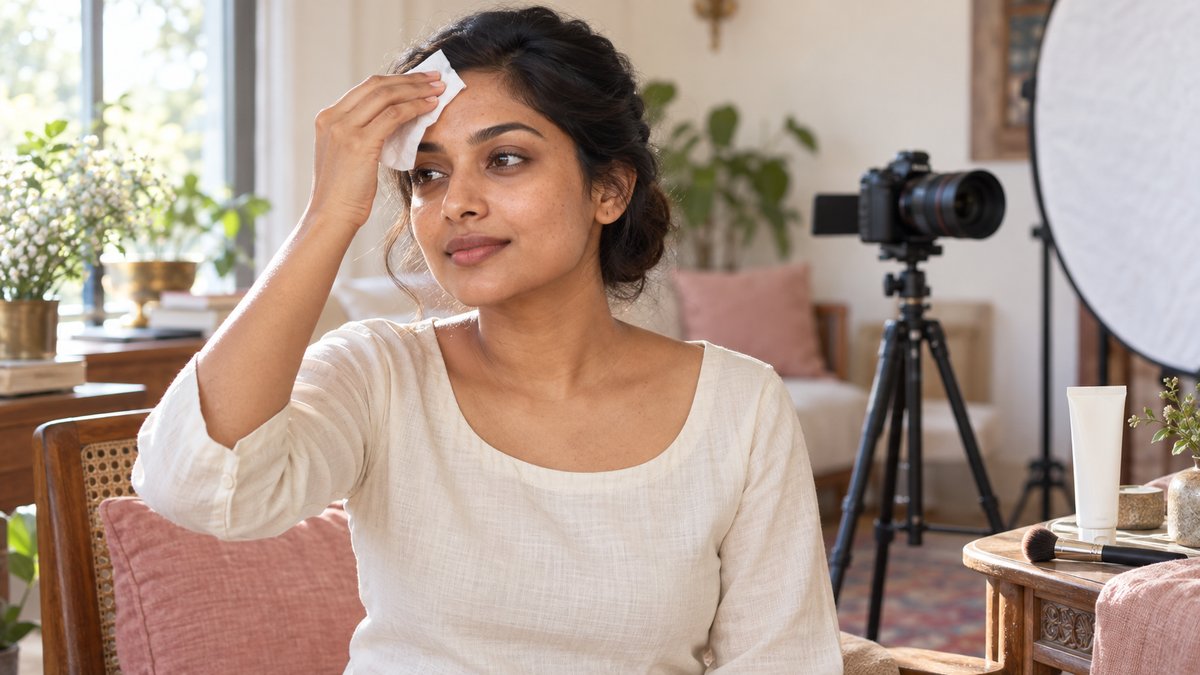
Quick answer: Skin prep before a photoshoot should use tested cleanser, moisturiser and sunscreen, with no new actives, peels, masks or unfamiliar services in the final 72 hours. Confirm the makeup plan, clean tools and leave time for layers to settle; use a familiar hydration session only if it fits without delaying sleep.
The call sheet arrives: an early start, outdoor frames before lunch and close-ups after that. Skin prep can suddenly feel like another production task. The useful preparation is less dramatic than a new facial: keep skin comfortable, make the makeup base predictable and organise removal for the end.
Skin prep before a photoshoot should use products you have already tested. In the final 72 hours, avoid new actives, peels, masks and unfamiliar services. A camera-friendly finish comes from appropriate layers and collaboration with the makeup artist, not from trying to eliminate every pore before the lens comes out.
Read the brief before changing the routine
Ask whether the shoot is indoors or outdoors, how long it runs and who is handling makeup. A glossy editorial finish and a natural office portrait need different styling choices, but neither requires irritated skin.
Tell the artist about sensitivities, prescribed treatments and products already on your face. If you will do your own makeup, test the whole base well before this final window. Lighting, camera settings and styling also affect the result. Do not make skincare responsible for every difference between a mirror and a finished photograph.
Put the 72-hour plan beside the call sheet
Use the schedule to remove last-minute decisions rather than assign a treatment to every empty slot. Keep travel and recovery time visible.
| Time | Main job | Leave out |
|---|---|---|
| 72 hours before | Confirm makeup plan and check supplies | New actives and first-time services |
| 48 hours before | Repeat tolerated care and clean tools | Scrubbing for extra smoothness |
| Evening before | Tested hydration if time allows | Staying awake for a long routine |
| Shoot morning | Light moisturiser and daytime sunscreen | An unfamiliar glow primer |
| During the shoot | Gentle touch-ups and sun protection | Repeated wiping and heavy layers |
| After wrap | Remove makeup and moisturise | A compensatory peel |
If the shoot was booked late, begin with the basics instead of compressing several days of experimentation into one evening.
At 72 hours, freeze the products
Use the cleanser, moisturiser and sunscreen you already tolerate. Replace nearly empty essentials with the same formulas where possible. Even similar-looking new versions deserve a separate trial outside the final window.
- Check that removal supplies are available.
- Keep a clean towel ready.
- Confirm any makeup artist instructions.
- Put your sunscreen in the shoot bag.
- Avoid trying samples from a new kit.
The party preparation guide follows the same principle for shorter events. A late-night delivery of a trending serum is not a reason to change the plan. Save the trial for after the shoot.
Leave grooming enough recovery time
Shaving, waxing, threading and other services can irritate, especially when combined with active skincare. Follow the provider's advice on timing and tell them about prescribed treatments. The final days are a poor moment for a first-time service.
If an appointment leaves burning, a rash or swelling, pause additional cosmetics and seek advice when symptoms persist. Let the artist know rather than hoping foundation will hide discomfort. Do not shave repeatedly to chase a flawless close-up. Our wedding preparation guide shows how earlier grooming trials create more room for recovery before an important day.
At 48 hours, remove friction from the routine
Wash makeup tools according to their care instructions and let them dry completely. Change a visibly soiled pillowcase and use a clean face towel. These preparations make the next day easier; they are not a guarantee of spot-free skin.
Keep cleansing gentle and avoid picking any new blemish. A small spot is usually easier to cover than a freshly squeezed, raw area. Do not begin an acid peel to remove texture. If acne is painful or a rash is active, ask a dermatologist about care and tell the production team what adjustments you need.
Place a tested hydration session on the previous evening
If it already suits your skin, the Nova Bloom Bio-Collagen Overnight Glass Skin Mask fits a planned evening hydration slot. It is a single-use, two-piece hydrogel with collagen peptides, hyaluronic acid, niacinamide, galactomyces and centella asiatica.
Apply to a clean, dry face after toner if used, press out air and wear overnight or for 3–4 hours until transparent. Peel away, pat in serum without rinsing and apply moisturiser. Use 1–3 times weekly, separate from strong AHA/BHA and retinoids. Remove and rinse if it stings or irritates. Skip the session if the full timing does not fit; there is nothing to catch up on.
Protect the evening from a beauty marathon
Set out clothes and pack the small kit before the last rush. Eat a regular meal and allow time for rest.
If travel means arriving at midnight, cleanse and moisturise. Adding a mask, scrub and eye treatment will not make the short night disappear. Avoid restrictive food rules or detox drinks before photographs. Your face does not need to earn camera time through a flawless schedule, and normal tiredness is something a production team can work around.
Keep the morning base light and predictable
Cleanse as needed and apply a moisturiser that works under your chosen makeup. For daylight exposure, apply sunscreen according to its instructions. Let the film settle before adding foundation, and tell the artist what is already on your skin.
- Use the tested morning products.
- Allow layers to settle without rubbing.
- Apply makeup in thin layers.
- Add coverage only where wanted.
Do not reduce sunscreen to avoid a shiny finish. Discuss product choice and makeup technique ahead of time instead. A trial in similar lighting is more useful than assuming every dewy product photographs well on every face.
Aim for controlled shine rather than a flat face
Hydrated skin can have a natural sheen, while excess product can look greasy under lights. Powder the zones that need it instead of covering dry cheeks with repeated layers. Let the artist assess the finish through the actual camera setup.
If foundation gathers around flakes, avoid rubbing or adding a thick new layer immediately. Tell the artist so they can adjust the base locally. Pores and fine texture remain part of real skin. A close-up photograph does not require sanding them away with a scrub the night before, and editing choices should not dictate harsh skincare.
Manage touch-ups during a long shoot
Blot sweat gently before makeup adjustments. Use clean tools and avoid sharing lip or eye products casually. For outdoor work, plan breaks for shade and sunscreen reapplication according to the label, especially after sweating or wiping.
Keep water and meals available through the schedule. If a product burns beneath hot lights, speak up and remove the suspected irritant rather than enduring it until wrap. A cooling break can help comfort, but it does not treat a significant reaction. Ask for medical advice for persistent irritation or swelling, and urgent help for serious symptoms.
Remove the shoot at the end of the day
Use a remover suited to the makeup, following its contact-time directions. Hold against stubborn eye makeup before lifting away instead of rubbing. Remove lashes and adhesive according to their own instructions, then cleanse gently when needed.
Moisturise and leave strong exfoliation out if the face feels sore. Clean reusable tools and put damp towels out to wash. There is no requirement for a second mask because the camera day ran long. The best final step is a routine you can complete even when tired, followed by a return to your usual care.
Save future trials for a quieter week
Note pilling or a product mismatch for the next trial. Change one step when there is time to assess it. Follow the patch-testing guide before wider use; a small-area test cannot rule out every later reaction.
Persistent acne, pigment concerns or sensitivity deserve a longer plan with a dermatologist. Keep the successful combination written down if that helps. Next time, preparation can mean repeating what worked.
Frequently Asked Questions
Should I try a new facial two days before?
Skip a first-time service. Use tested care and leave future trials far enough from the shoot to assess tolerance and recovery.
What if I miss the planned mask evening?
Continue with moisturiser and the usual morning routine. Do not squeeze a long-wear session between appointments or shorten sleep to finish it.
Should I skip sunscreen to prevent shine?
No. Plan a tested sunscreen and makeup combination, apply protection as directed and manage the finish with the artist.
Sources
- How to clean your makeup brushes – American Academy of Dermatology
- I have acne! Is it okay to wear makeup? – American Academy of Dermatology
Plan hydration before the busy morning. Explore the Nova Bloom Bio-Collagen Overnight Mask, ₹299 with cash on delivery available.

